The Ancient Knowledge Keepers: How the Pyramids Were Built and Where the Knowledge Went (Version 2)
by Jaron Newton
- First published:
- 21st century
- Language: English
Presentation Packet: The Bio-Lithic Hybrid Model Subject: A New Solution for Old Kingdom Casing Logistics Proposal: The use of Tiered Micro-Stone Formwork and Bacterial-Induced Calcite Slurry. I. The Executive Summary The primary challenge of the Great Pyramid is the “Logistical Paradox”: the requirement to set 144,000 casing stones (15 tons each) with sub-millimeter precision within a 20-year window. This proposal posits that the casing was not a “jigsaw puzzle” of pre-cut giants, but a hybrid system. We propose that large “anchor blocks” were connected by a cast-in-place bio-slurry contained by permanent, small-stone limestone “shuttering.” Over 4,500 years, recrystallization has unified these elements into the “solid” blocks we see today. II. The Technical Process: “The Tiered Lift” Skeleton Placement: Traditional quarry-cut Tura blocks are placed as corner and interval anchors. Sacrificial Formwork: Small Tura bricks (manageable by 1–2 men) are dry-stacked on the outer edge to define the slope, guided by a taut, wetted flax cord. MICP In-fill: The cavity is filled with a slurry of crushed Tura dust, lime, and Nile silt (containing Sporosarcina pasteurii bacteria). Pigment Optimization: High-purity Calcium Sulfate (Gypsum) and White Kaolin Clay are added to the outermost slurry pass. III. The Chemical Argument: “The Vanishing Seam” Microbial Mineralization. Recrystallization. Isotopic Matching.
Provenance
Why this book is in the catalog
Included because retained bibliographic metadata links this work to Pyramids, ancient engineering, and sacred architecture.
Controlled discovery queries from datacite matched “ancient pyramids”. Retained metadata contains “Pyramids” in the title, “pyramid” in the description, “pyramid” in the subject metadata, and 1 additional metadata match(es).
- “ancient pyramids”· via DataCite
- “Pyramids”· in title
- “pyramid”· in description
- “pyramid”· in subject
- “Pyramids”· in edition title
Membership records how this book met the catalog’s discovery criteria — relevance to a tradition, not a judgment of the book’s claims.
Read & download
Where a scan or ebook exists, it is listed here.
No public full text is known for this record.
None of our sources reported a scan or ebook. It may exist elsewhere — these searches are a good next step.
Buy or borrow
No ISBN on record, so the Amazon link searches by title and author. WorldCat shows libraries near you that hold a copy.
Editions
One edition cataloged here.
| Edition | Date | Publisher | Language | ISBN | Access | Links |
|---|---|---|---|---|---|---|
DataCite registered book record DataCite rights metadata: Creative Commons Attribution 4.0 International; https://creativecommons.org/licenses/by/4.0/legalcode | 2026-05-21 | Zenodo | English | — | Open license |
Subjects
- African diaspora
- Göbekli Tepe
- ambient vibration
- Ancient DNA
- Barsoum
- Bio-Lithic Hybrid Model
- casting hypothesis
- cyanobacteria
- dynamic homogeneity
- ElGabry
- geopolymer
- knowledge transmission
- MICP
- Nomadic knowledge transmission
- Old Kingdom Egypt
- precision masonry
- pyramid construction
- Saussuritzation
- Sporosarcina pasteurii
- Tura limestone
More like this
Books that share this work's traditions, subjects, or authors.
Fragments of Forgotten Creations
2026
- Read free
Ghosts of the African Diaspora
Joanne Chassot
2018
Black ghosts
Noo Saro-Wiwa
2023
- Read free

Operations carried on at the pyramids of Gizeh in 1837: with an account of a voyage into Upper Egypt, and an appendix
Richard William Howard Howard-Vyse, John Shae Perring, Howard Vyse
1840
- Read free
The Organization of the Pyramid Texts (2 vol. set): Typology and Disposition
Harold M Hays
2012
- Read free

Our inheritance in the Great Pyramid
Charles Piazzi Smyth
1864
- Read free

The pyramids and temples of Gizeh
William Matthew Flinders Petrie
1883
- Read free
Tutankhamun Knew the Names of the Two Great Gods
Steven R.W Gregory
2022
- Read free
In the Shadow of Djoser’s Pyramid
Karol Jan Mysliwiec
2020
- Read free
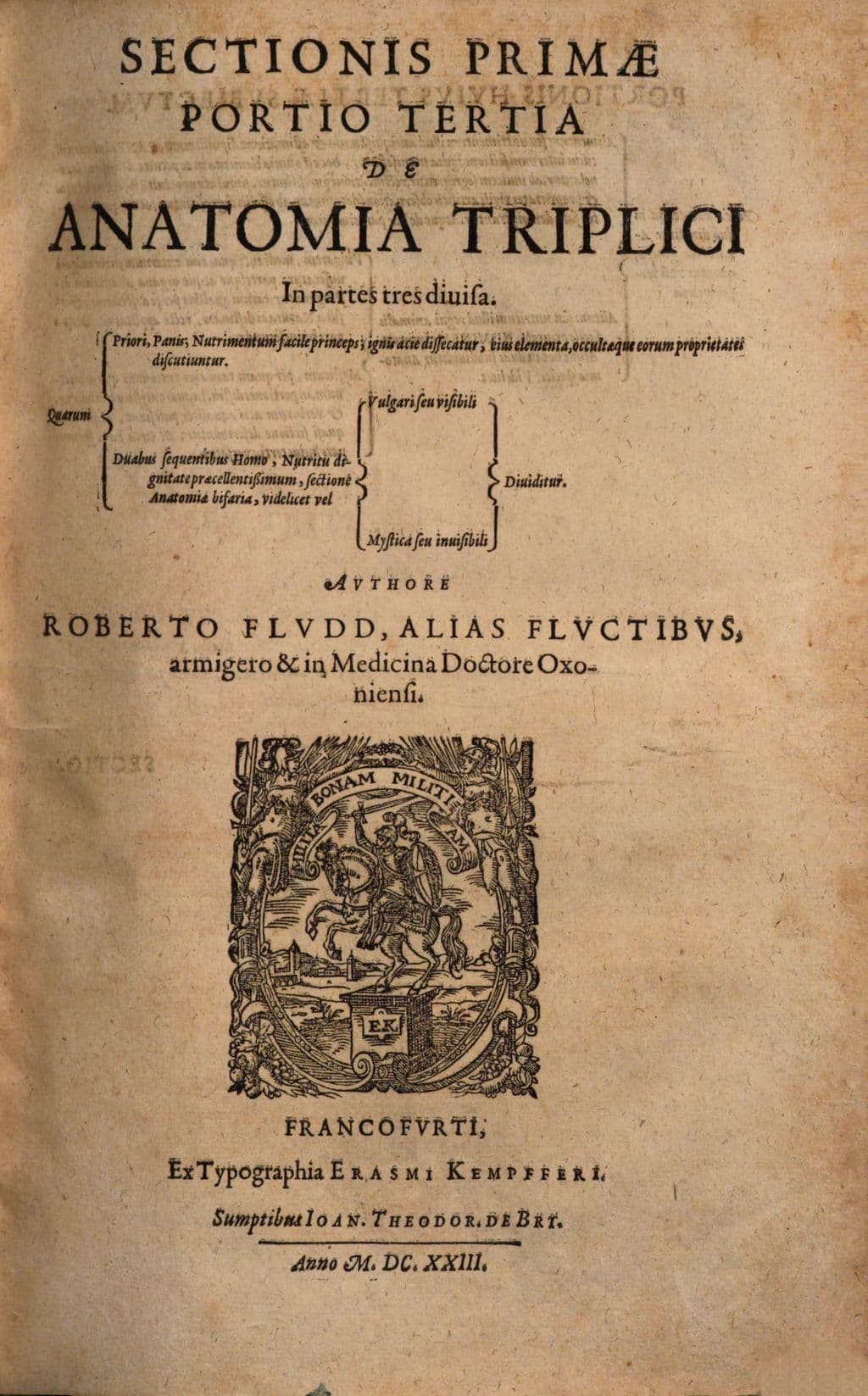
Utriusque Cosmi Maioris scilicet et Minoris Metaphysica, Physica Atque Technica Historia
Robert Fludd
1617Latin
- Read free

The Adam & Eve Story
Chan Thomas
1993
- Read free

The Stairway to Heaven
Zecharia Sitchin
1980
Identifiers & provenance
How this record was assembled, and the authority identifiers it carries.
Identifiers
- DOI
- DataCite
- 10.5281/zenodo.19684068
- 10.5281/zenodo.20009288
- 10.5281/zenodo.20337938
- OAI
- oai:zenodo.org:20009288
- oai:zenodo.org:20337938
Cataloged from
- DataCiteprimary10.5281/zenodo.19684068 (opens in a new tab)
- DataCiteprimary10.5281/zenodo.20009288 (opens in a new tab)
- DataCiteprimary10.5281/zenodo.20337938 (opens in a new tab)
Found via
Cataloging notes
- DataCite rights metadata: Creative Commons Attribution 4.0 International; https://creativecommons.org/licenses/by/4.0/legalcode
- Catalog id
- datacite:10.5281/zenodo.19684068
- Edition coverage
- Multi source partial
- Retrieved